
AUGUST · 2026 · Edition 1
BIM has evolved beyond 3D modeling into intelligent coordination and clash detection, helping teams identify conflicts early and reduce construction risks.
“BIM Is More than an Upgrade
BIM Marks a Fundamental Change”
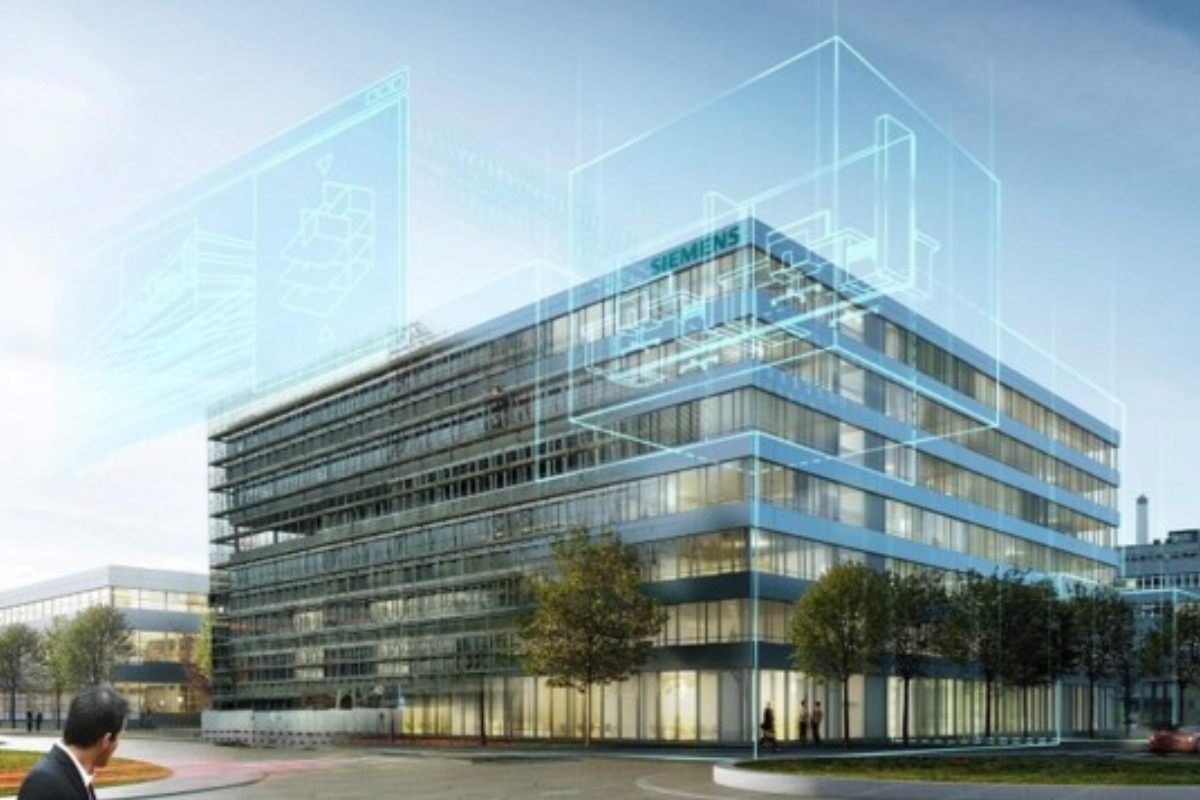
These facts capture the state of the construction industry during the time when traditional 2D drawings were being used as completed projects were being delivered faster than current tools could provide adequate information/support.
Construction drawings, as traditionally defined, had always provided successful construction drawings for many decades.
However, the construction drawings were inadequate for the increasingly complex building designs of a project.
The sophistication of the building project increased as multiple systems (MEP, envelope/facade, structural, and interiors) intermingled together, resulting in ever shorter cycles and smaller profit margins for construction companies to take advantage of.
As construction companies experienced a dramatic change in financing and completion times, the need for coordination among multiple disciplines represented the greatest risk to completing the building project.
This change was due to a permanent change in the construction industry on how to deliver buildings.
The problem wasn’t bad drawings - the problem was that buildings had evolved faster than the process used to deliver them.
The construction industry has always been disconnected.
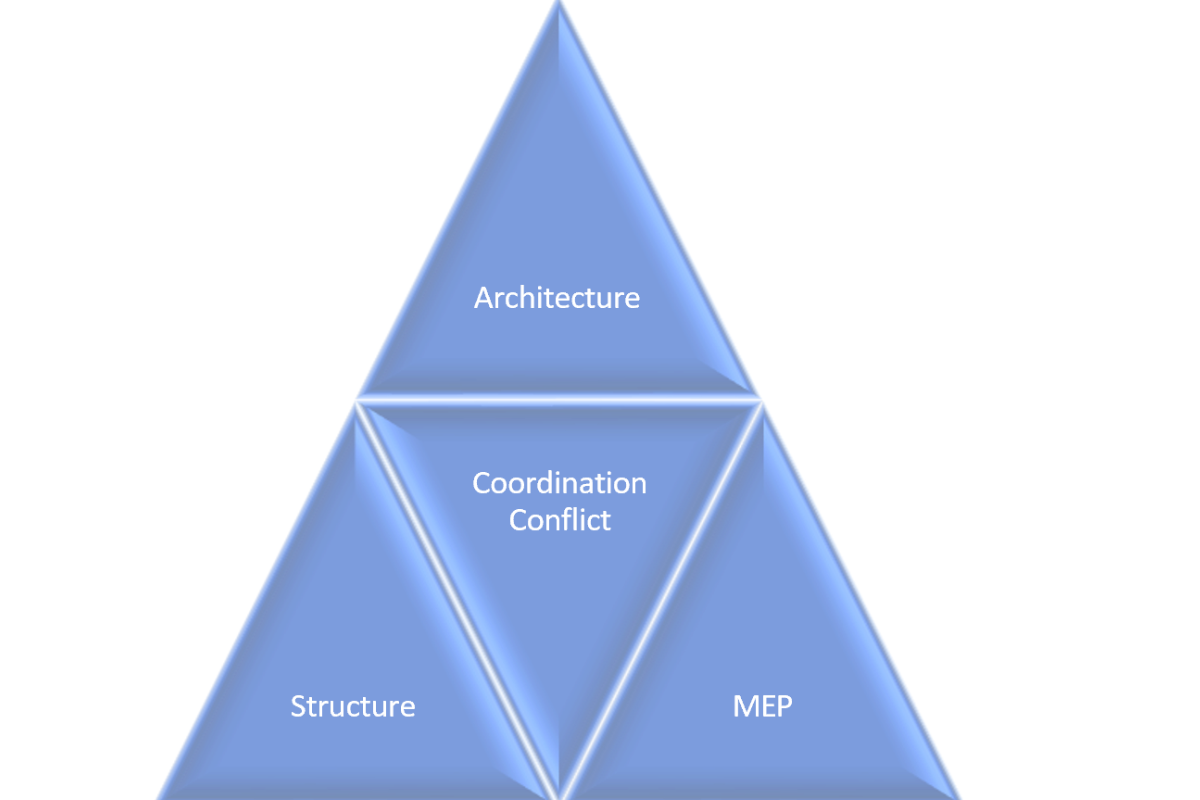
All separate design.
All separate redline.
All separate manual coordination.
Consequently, there was no way to prevent craftsman conflict, and spent time discovering them.
On-Site
Under pressure
At a cost
Routine for rework, normalized for delay, embedded for risk. The industry needed not a better drawing but a connected solution.
Traditional 2D Drawings → Intelligent 3D Models
Manual Overlays → Automated Coordination
Site Clash Discovery → Digital Clash Detection
Rework & Delays → Predictable Delivery
Projects are:
Growing in size
Accelerating in speed
Integrating more technologies, and
Becoming more interconnected.
In the past, manual overlays could not keep pace.
However, when BIM was introduced, it transformed the construction industry:
From reactive solutions to proactive solutions
From on-site discovery to design resolution.
This transformation has changed the way project success is defined.
Teams utilizing structured BIM processes have reported the following:
Decreased potential for rework;
Decreased potential for field conflicts;
Enhanced predictability for completion schedules;
Increased accountability between disciplines;
Improved accuracy of documentation.
The earliest uses of BIM were only as modeling tools; however, it progressed beyond simple 3D Models to structuring coordination, automating rule checking and forecasting conflicts.
The result of this evolution was Clash Detection.
Clash Detection allows users to isolate conflicts between systems prior to
purchasing materials, getting crews to work on the project and increasing the overall cost of the project.
We offer:
Federated discipline integration
Automated governance of clashes
Model validation and quality assurance (QA)
Complete unified digital project environments.
The resolution of coordination in design equates to the elimination of risk in construction.
Our approach ensures that coordination risks are resolved digitally - long before they impact physical construction.
Because in today’s construction environment, coordination isn’t a task.
Connect with our team to implement BIM with precision, structure, and intent.
One thoughtful briefing each month — market intelligence, advisory perspectives, and the questions our clients are asking. No noise.
Join 12,000+ executives. Unsubscribe anytime.